


Over the past week, parts of Oʻahu saw some of the worst flooding we’ve experienced in decades.
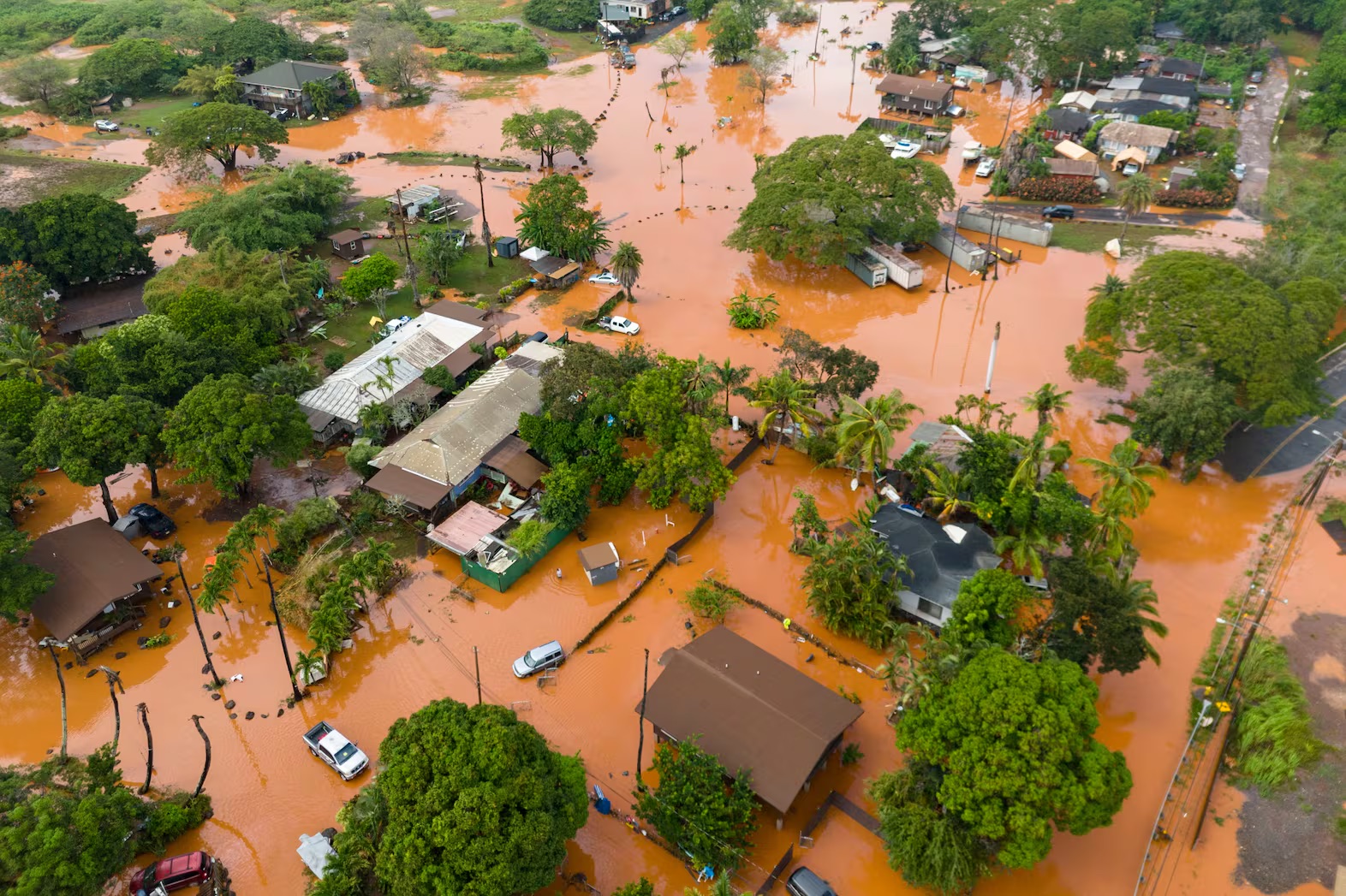
Communities on the North Shore like Haleʻiwa and Waialua were hit especially hard: homes flooded, roads washed out, farms buried in mud. Thousands of residents had to evacuate, and first responders carried out hundreds of rescues.
By any measure, this was a major event.
Early estimates are already putting the damage in the range of $1 billion or more. For a lot of families, that means real disruption, cleanup, repairs, and in some cases, figuring out where to stay in the meantime.
But here’s the part that stands out to me…
As of now, this hasn’t been declared a federal disaster eligible for FEMA assistance.
That matters.
Because without that declaration, the level of support available to homeowners, renters, and small businesses is different. There’s still help at the state and local level, and there are nonprofit efforts stepping in, but it’s not the same as having federal disaster relief activated.
And it’s a good reminder of something we don’t always think about: even when damage is widespread and serious, federal aid isn’t automatic.
For those affected, the focus right now is cleanup and getting back to normal as quickly as possible. But longer term, this is something I’ll be watching closely, especially if you’re a homeowner trying to understand what kind of support may (or may not) be available.
For now stay tuned to Hawaii Foodbank for distribution days and LāHui Foundation has a form if you're in need of supplies and help applying to SNAP.
If you're in a position to offer aid, there's a great donation list (including the two above) right here. If nothing else, we look out for each other.